
What is
Glenbrook?
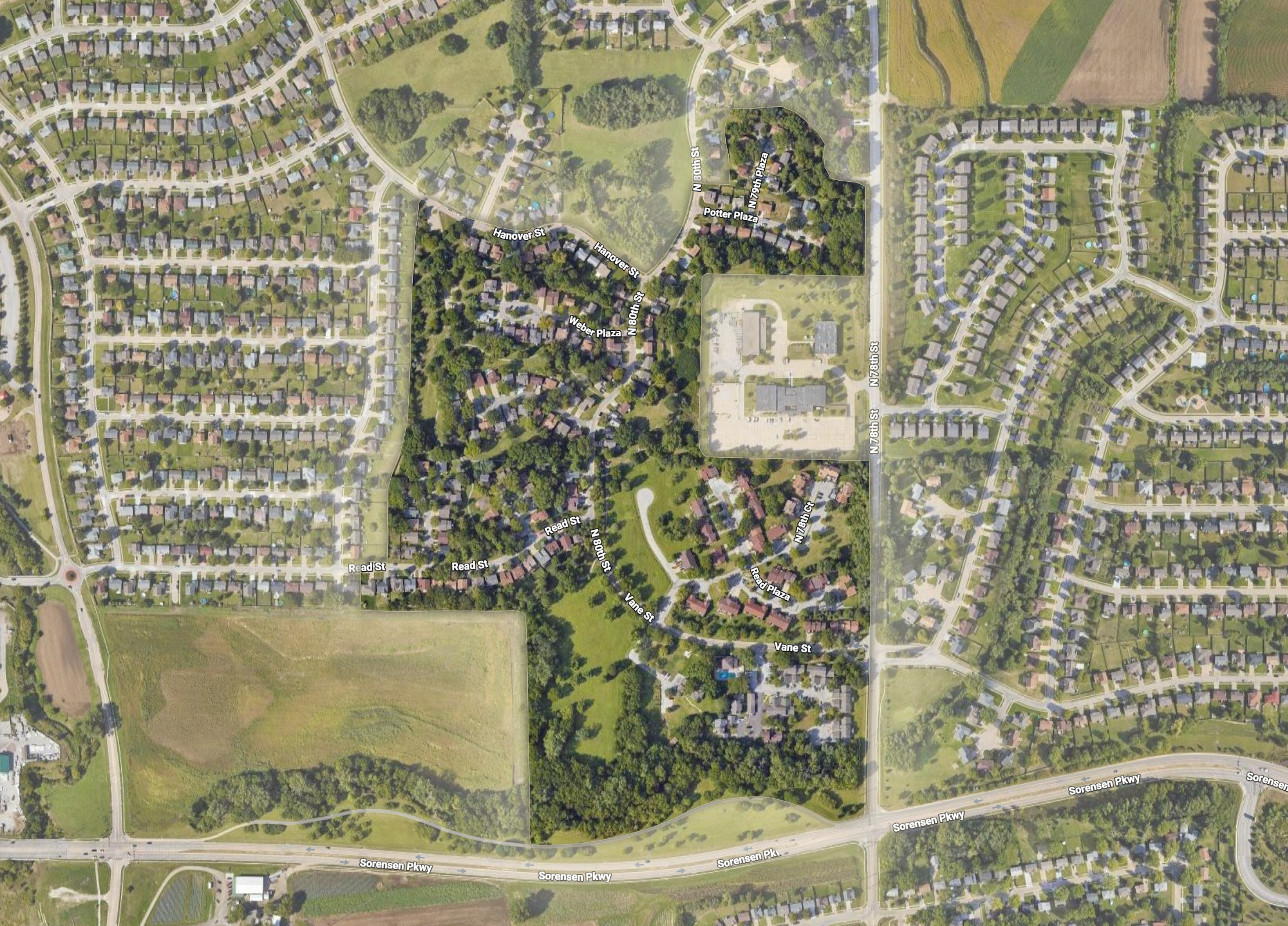
Villages of Glenbrook is a welcoming residential community located in west Omaha, Nebraska, conveniently positioned near 204th Street and Pacific Street. The neighborhood offers easy access to major routes including Highway 370 and Interstate 80, putting downtown Omaha, employment centers, shopping, and a wide variety of dining options within a short drive. Families appreciate the proximity to well-regarded schools, numerous parks, and recreational amenities, while local shopping centers and grocery stores are just minutes away for everyday convenience. With quiet, tree-lined streets, well-kept common areas overseen by the HOA, and a friendly suburban setting, Villages of Glenbrook provides a comfortable, connected place to call home.
The Alpine Aesthetic
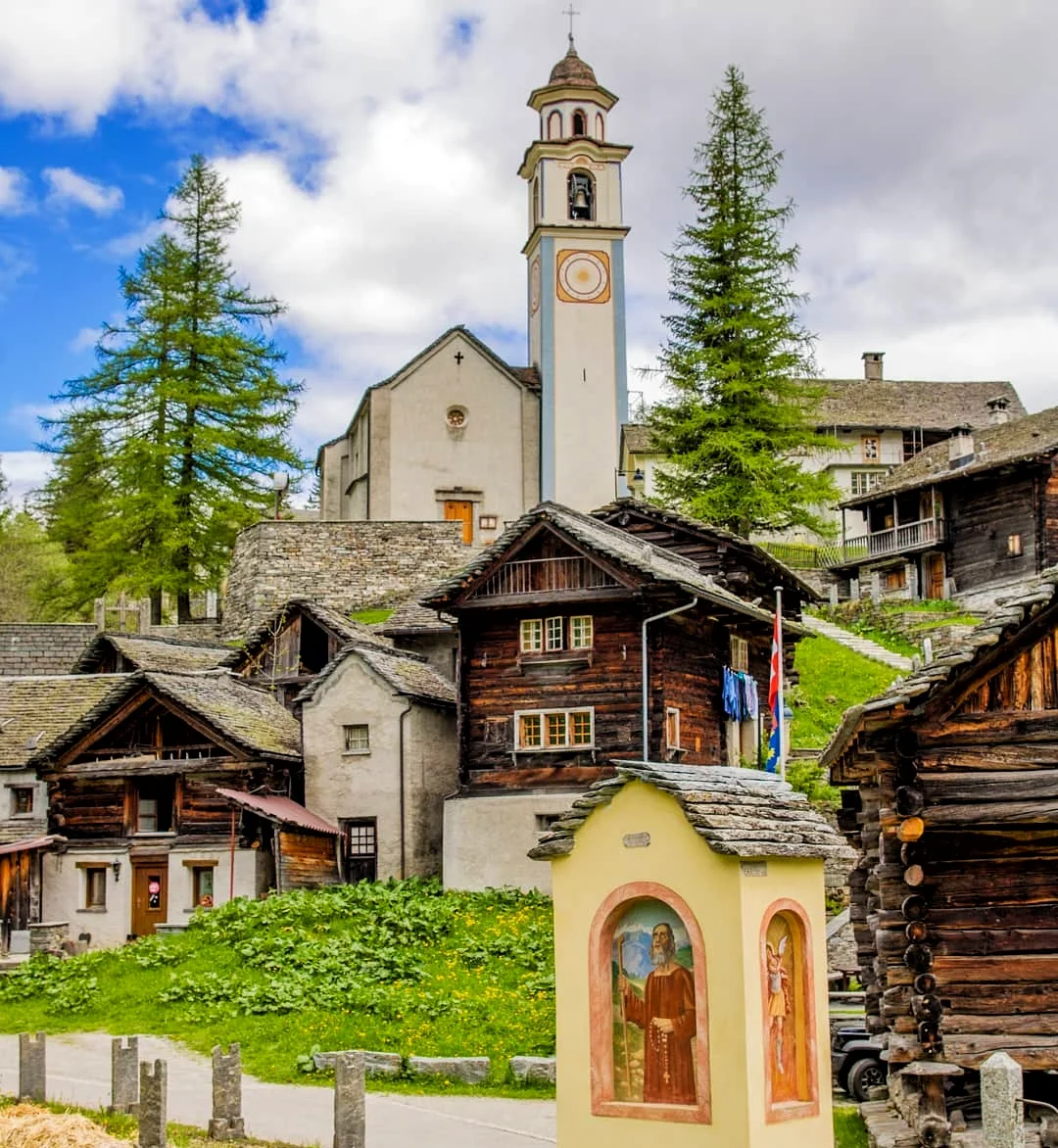
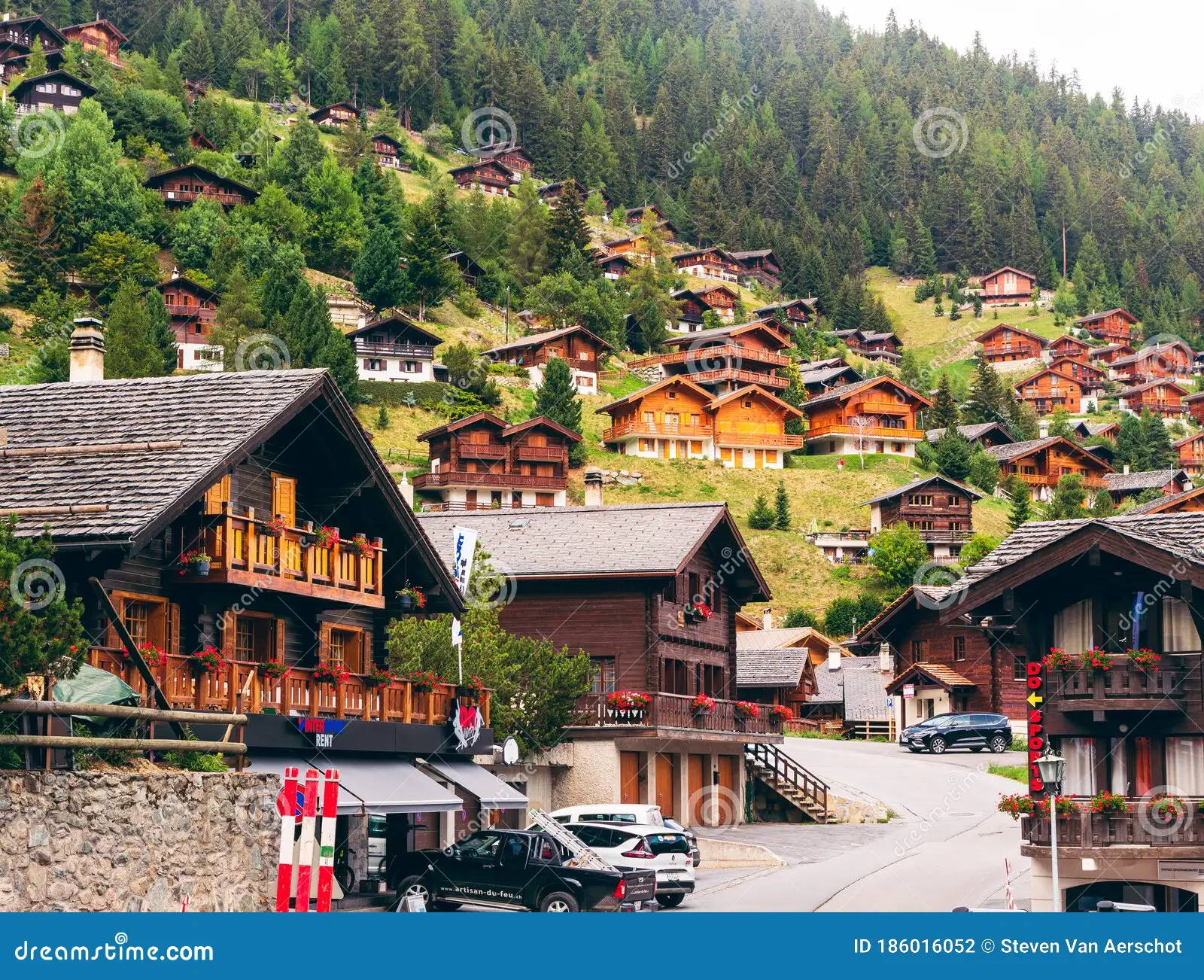
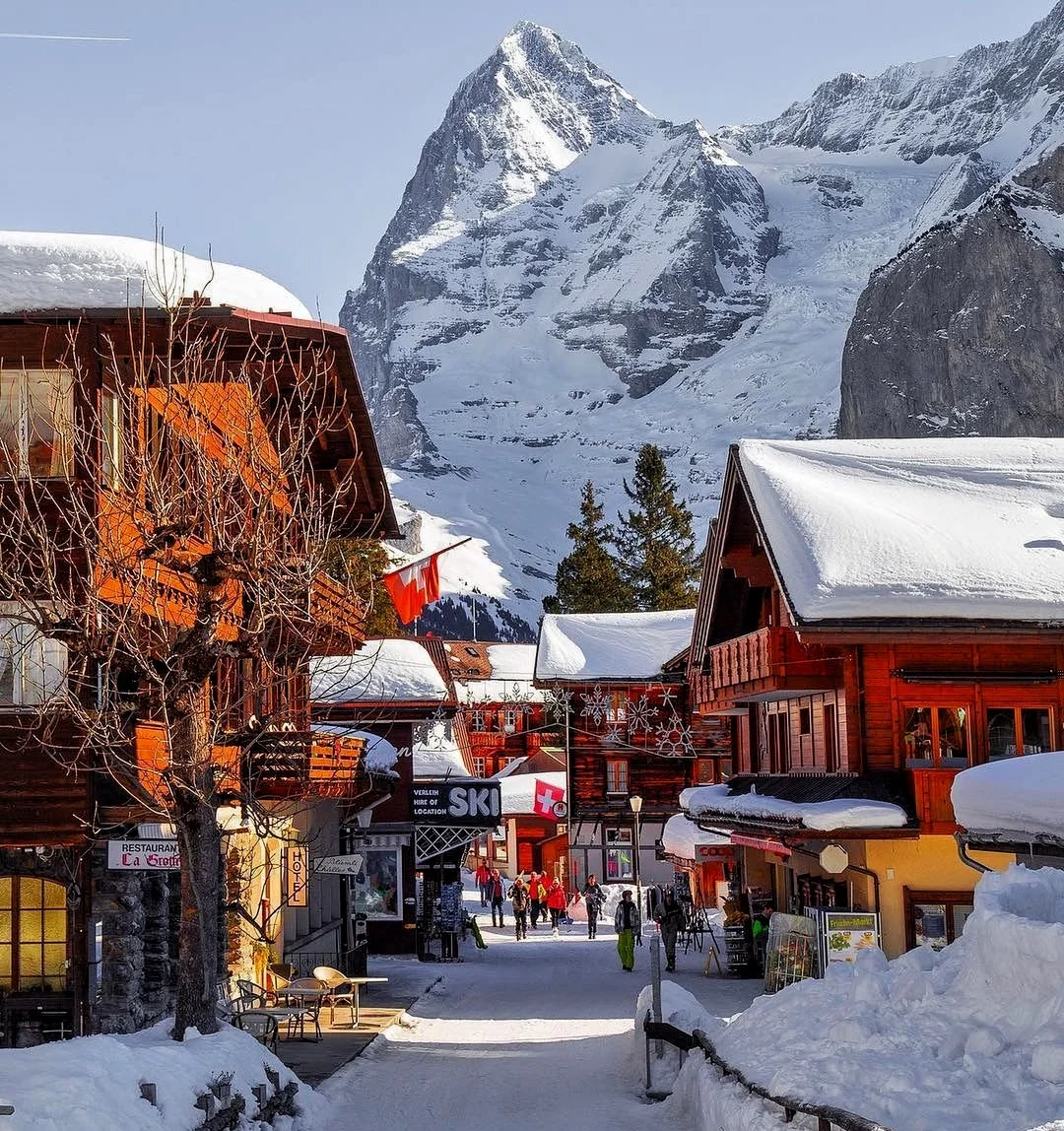
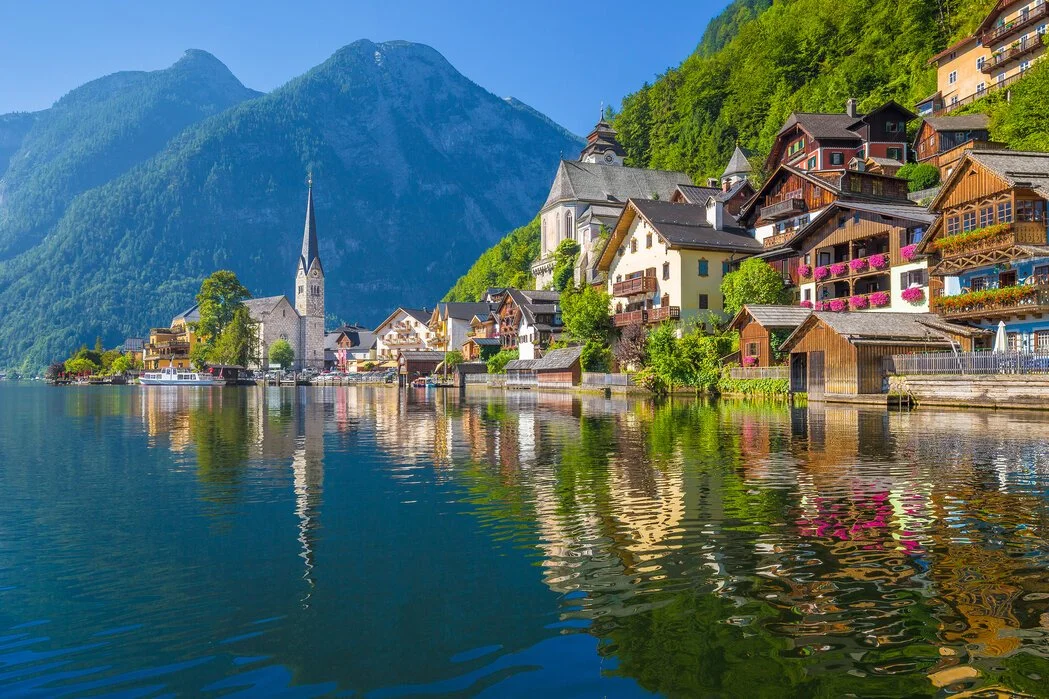
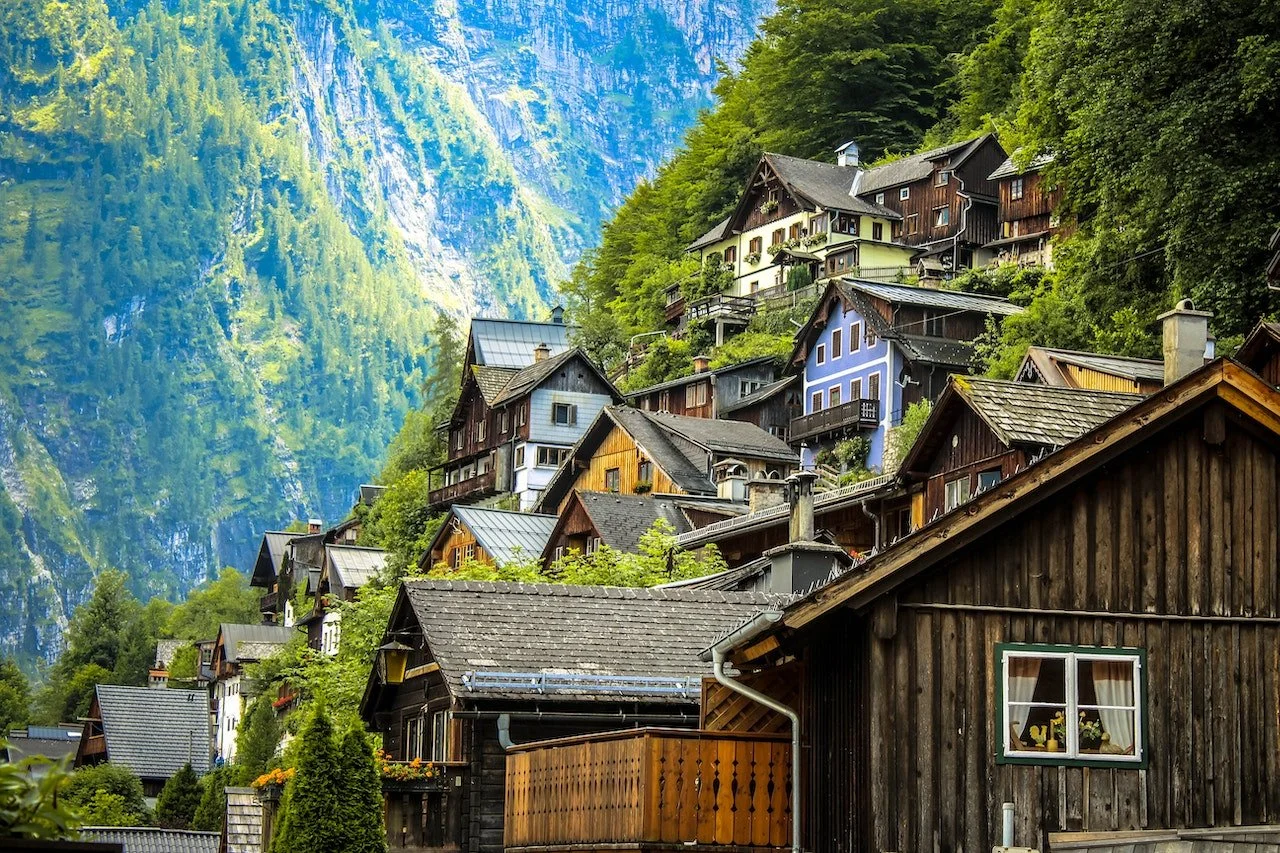
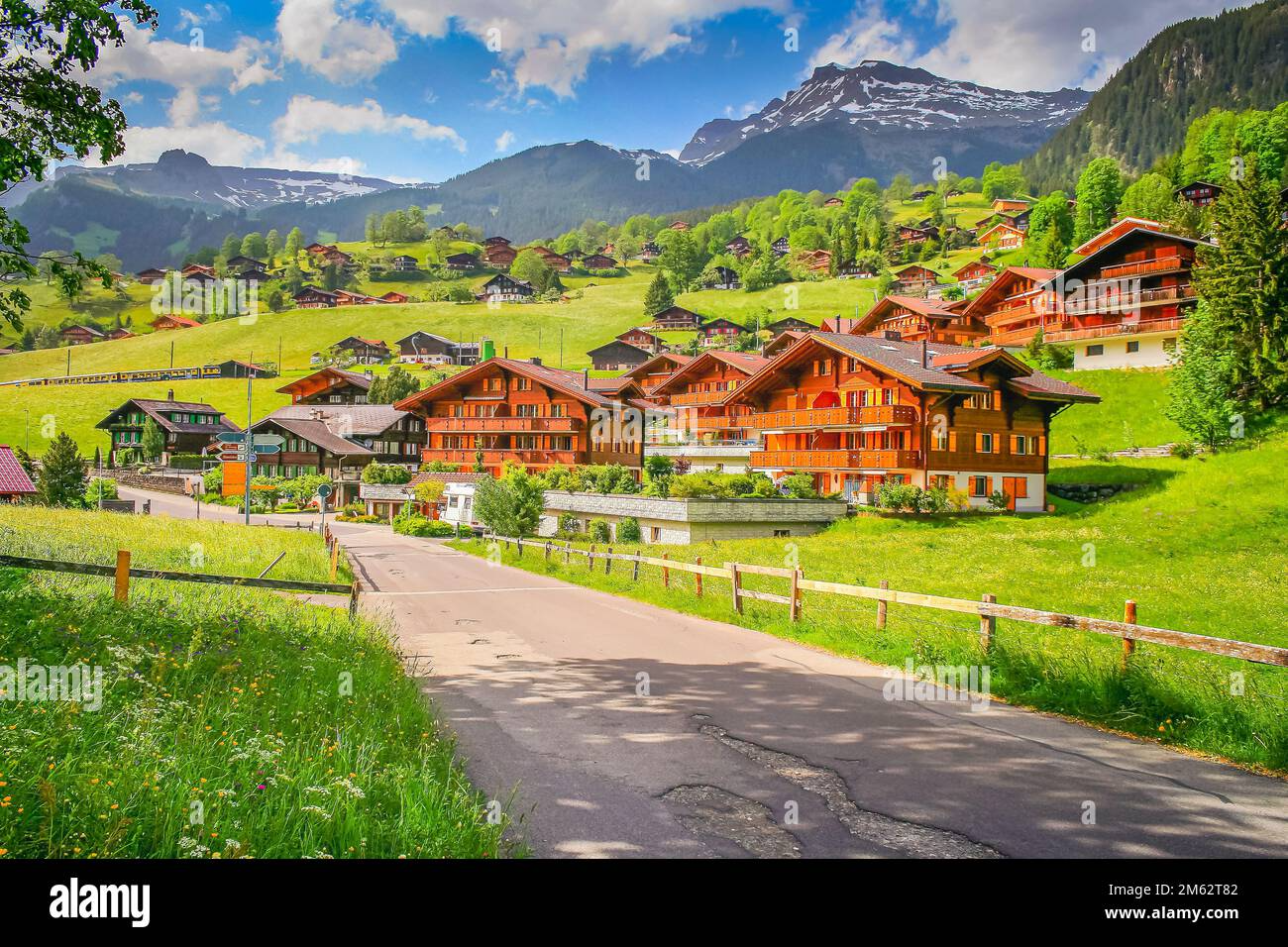
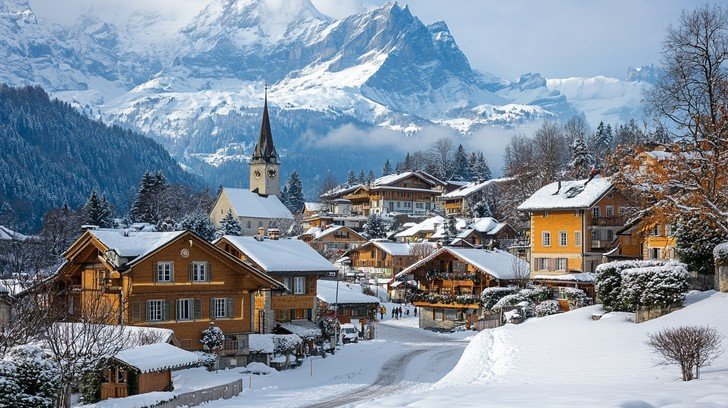
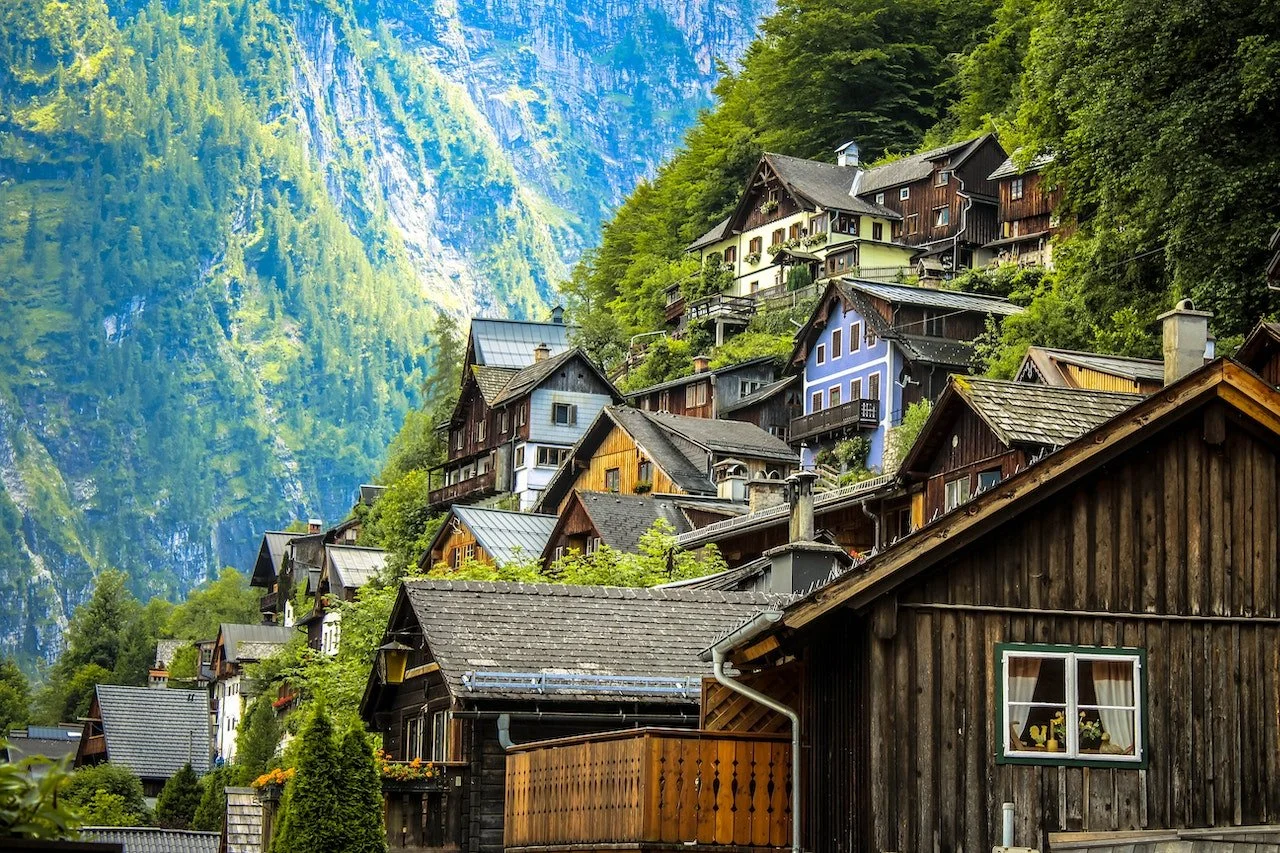
From the very beginning, the Villages of Glenbrook were conceived with an alpine cabin aesthetic in mind. Early design plans favored steep gabled roofs, warm timber accents, and stone foundations that echo mountain lodges. Architects and planners chose materials and color palettes that blend with the landscape—rich cedar, natural stone, and deep forest greens—so each home feels like a handcrafted retreat tucked into the hillside.
Closeness to nature is central to Glenbrook’s identity. Homes are sited to preserve mature trees and take advantage of natural contours, with trails, pocket parks, and viewsheds woven into the neighborhood fabric. Large windows, covered porches, and outdoor fire pits encourage residents to live with the seasons, bringing the forested surroundings into everyday life.
That alpine influence extends beyond architecture into community culture. Shared green spaces, walking paths, and communal gathering spots foster quiet appreciation of the landscape and simple outdoor pleasures. The result is a neighborhood that feels both carefully designed and naturally rooted—where the comforts of home meet the calm of the woods.


The History of Glenbrook

The Villages of Glenbrook Homeowners Association traces its roots to the early 1990s, when suburban growth in west Omaha prompted developers to create neighborhood communities designed for families seeking convenience and a strong sense of place. Built on gently rolling land with a mix of single-family homes and townhomes, the original community plan emphasized walkable streets, shared green spaces, and architectural variety. Early residents—many drawn by nearby schools, shopping corridors, and access to major roadways—organized informally at first to address common concerns like street lighting, landscaping, and basic maintenance.
As the neighborhood expanded, homeowners formalized their organization into the Villages of Glenbrook HOA to manage common areas, enforce covenants, and coordinate long-term upkeep. The HOA adopted a governing document—covenants, conditions, and restrictions (CC&Rs)—and elected a board of directors to oversee budgets, contracts with landscape and maintenance vendors, and community rules. Over time the HOA established standard procedures for reserve funding, architectural review, and neighborhood communications, moving from ad hoc decision-making to structured governance that could protect property values and community character.
Throughout the 2000s and 2010s, the association navigated typical suburban challenges: aging infrastructure, evolving homeowner expectations, and the need to balance individual property rights with collective responsibilities. Projects such as playground renovations, pond and drainage improvements, and upgraded entrance signage reflected both neighborhood pride and practical response to wear and changing standards. Periodic updates to the CC&Rs and design guidelines were adopted to address modern concerns—exterior materials, landscaping standards, and rental policies—while preserving the community’s original aesthetic.
Today the Villages of Glenbrook HOA remains focused on maintaining a safe, attractive, and cohesive neighborhood. Volunteer board members and committee participants—many long-term residents—work alongside professional management when needed to administer services and plan for the future. The association’s history is one of gradual maturation: from developer-led subdivision to a homeowner-run community organization that seeks to balance individual homeowner needs with shared stewardship of common assets and neighborhood quality of life.